Monday, November 9, 2020

Champa

 The Cham in Vietnam.

The Champa empire occupied the area of central Vietnam. Essentially from Hue to Nha Trang. The Champa were a collection of city states that prospered from sea trade. The South China Sea was called the Champa Sea during their time. Their empire was at it peak from the 7th to 10th centuries, and slowly declined until Minh Mang the second emperor of Vietnam annexed their lands. The were rivals of the Khmer and managed to sack Siam Reap in 1177, but later suffered defeats to the Khmer. 


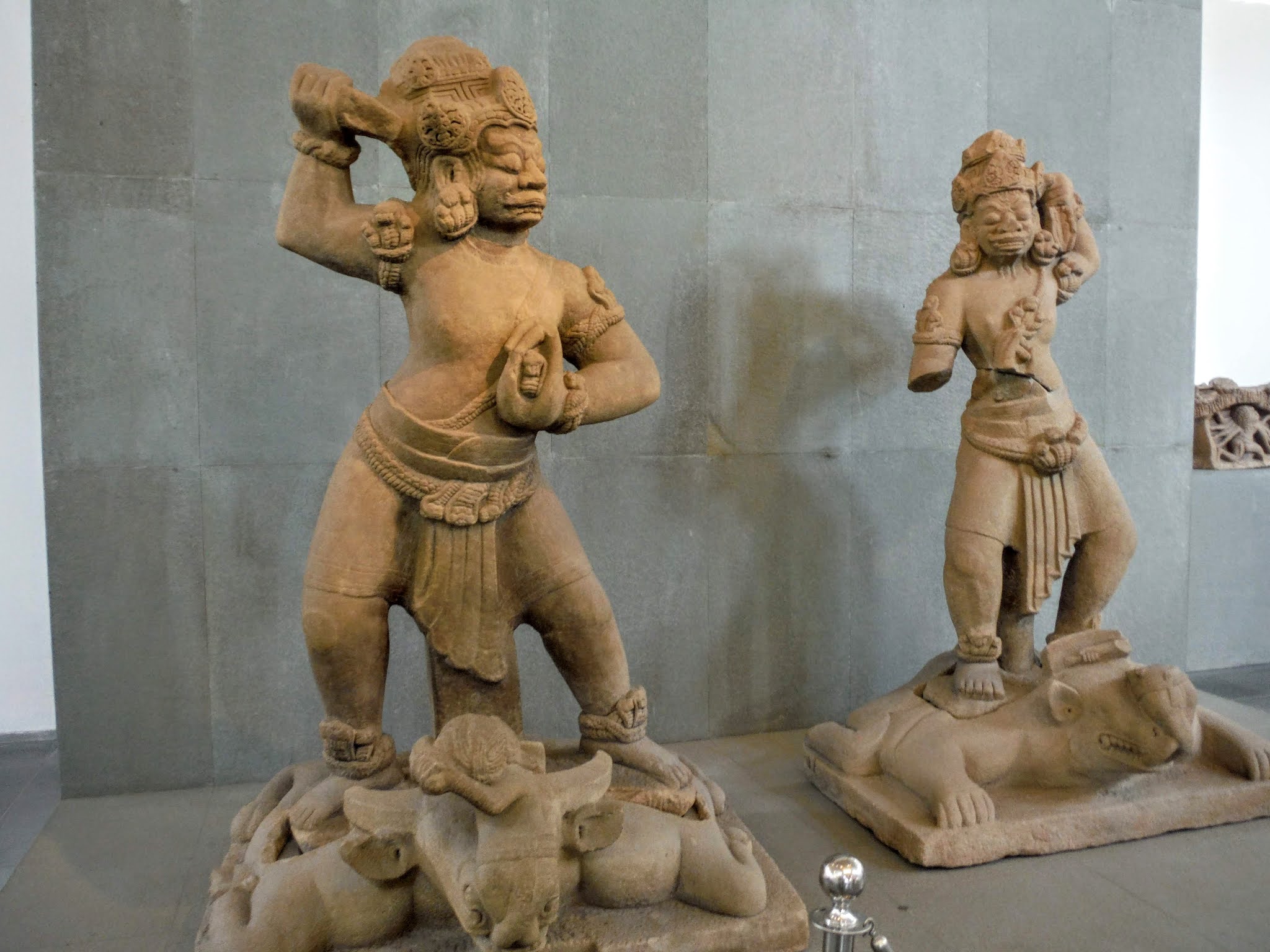
My Son near the port city of Hoi An is the oldest of the Cham temple complexes. The Cham were great builders of brick temples and sculptors. They were predominately Hindu but some converted to Buddhism and Islam through the years. 

Temple at My Son
Sculptures at My Son.


Tuesday, July 28, 2020

Laterite - Building material of Asia

Laterite...what is it?

Laterite has commonly been referred to as a soil type as well as being a rock type.
Rich in iron and aluminum and is commonly considered to have formed in hot and wet tropical areas. Nearly all laterites are of rusty-red coloration, because of high iron oxide content. It is typically cut into blocks and dried.

 Konark Sun Temple in India


The technology probably spread from India east to Burma, Thailand, Cambodia and Vietnam. The material can be polished or left in a rough texture and sometimes stuccoed over. At Ankor Wat its used as a base material then clad with sandstone. In northern Vietnam its used instead of brick.                                                                                                           
Laterite brick walls near Hanoi.

Video of Laterite course in My Son, Champa temple.

Since laterite is porous it is light weight yet strong. It is used as a base course for roads, bearing walls and for aquifers. In its clay form it is cut in many sizes then dried and used. This makes it a very versatile building material.                                                                                                     

Laterite walls in East Mebon Siam Reap Cambodia.


Friday, July 24, 2020

The Ancient Imperial City of Hue

Imperial City - Hue, Vietnam

25 years of civil war between Gia Long and the Tay Sons finally ended with Gia Long as Emperor of Vietnam. Gia Long....nephew of the Last Nguyen Lord who was executed by the Tay Sons, now ruled what is modern day Vietnam. The year was 1802 and Gia Long set about securing his dynasty and country. Many citadels were built but Gia Long made Hue the capitol and made a square design for the citadel based on Chinese design rather than French design as the others were based on.

During the war Gia Long had received help from the French. Even tho Vietnam remained independent of the European powers, this help from the french would ultimately lead to french colonization of Vietnam in later years.

Statue of Gia Long over the site of his first citadel in Saigon.


Areal view of the city and Imperial city within to the right.


In 1947 the last Emperor Bao Dai abdicated. This lead to a ruinous period of neglect and partial destruction of the old city. Fighting between the French and Viet Minh as well as the TET offensive in 1968 between the forces of the North and South and the USA took its toll on the old city.

1968 TET offensive destruction.


Kien Trung Palace built by Emperor Khai Dinh currently being rebuilt.


The old city was added to by successive emperors for about 120 years. Tu Duc was essentially the last independent Emperor. His death in 1883 led to internal strife in addition to colonization pressure from France. The French laid siege to Hue and looted the city although they did allow the Nguyen Emperors to remain as a figurehead government until Bao Dai's abdication.

In the 1990's The Hue Monument Commission started a restoration program of the Citadel, Tombs and Monuments in and around Hue. Work is ongoing but great progress has been made. Tourism is around 2 million visitors a year. The history, architecture, food and close location to DaNang and Hoi An is what attracted me. The architecture in and around Hue is a mix of Asian and Western influences. The French left their mark in the cuisine and architecture. Hue has some of the best food in Vietnam and still retains its Viet heritage and charms.

 Above: Main Gate
Right: East gate 


Short video of Hue       

Saturday, May 9, 2020

Interesting Cemeteries

Cemeteries you may and may not know of.

Cemeteries arent usually tourist destinations, but if you are near any of these places, take the time and visit.

1. Arlington Cemetery Virginia USA.


This was originally part of George Washingtons estate by the marriage to Martha Fairfax. Later Robert E. Lee married Washingtons granddaughter and took over. At the start of the Civil War he left due to its proximity to Washington DC. Union troops occupied it and used it as a field hospital and cemetery. Over the years it became a national cemetery for military veterans. John F Kennedy and the Tomb of the Unknown are notable burials.

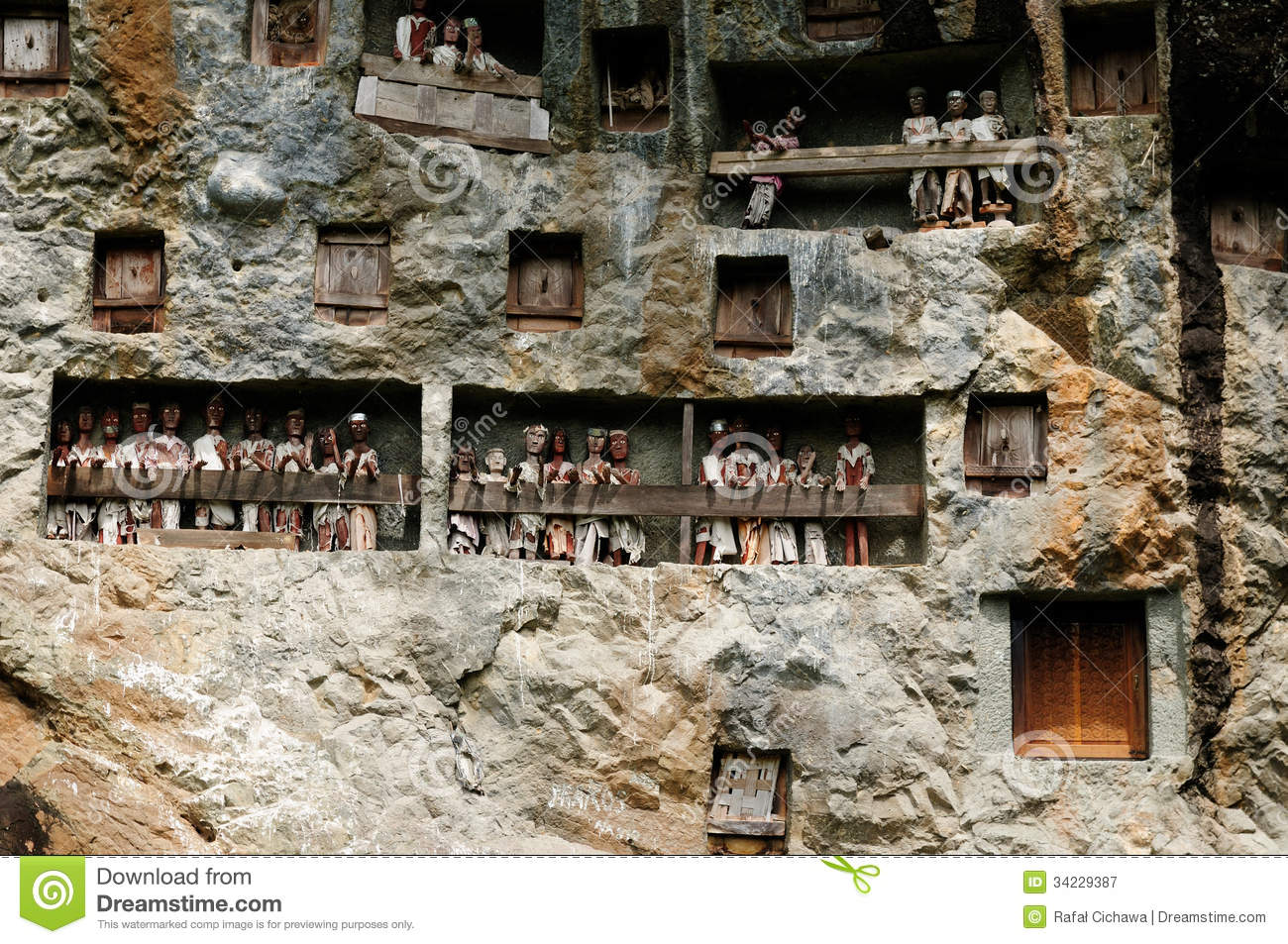
2. Sulewasi Indonesia - Toraja cliff tombs and the walking dead. 
Funerals in the Toraja culture can take several years. The dead arent interred and are kept in the home...essentially mummified until preparations are finalized. This involves a feast and preparation of the tomb. A detailed explanation can be found at
https://maketimetoseetheworld.com/toraja-death-rituals-cave-burials-effigies-walking-dead/


3. Lafayette Cemetery, New Orleans La. USA

                                                                               photo by Rusty Travel Trunk


  The city's first planned cemetery, but not the oldest, it is notable for the architectural significance of its tombs and mausoleums, often containing multiple family members, and for its layout, a cruciform plan that allowed for funeral processions. This cemetery has been the location for many movies and music videos.


4. The hanging coffins of China on the Yangtze.

Practiced by the Bo people of China, this practice dates back 3000 years. There are many theories why this was done. A detailed explanation can be found at 
https://www.historicmysteries.com/hanging-coffins-china/


Sunday, May 3, 2020

Candi Borobudur

Candi Borobudur
Candi is the name for temple in Indonesia. Borobudur is the largest Buddhist temple in the world. The temple consists of nine stacked platforms, six square and three circular, topped by a central dome. Built in the 9th century during the reign of the Sailendra Dynasty. Two other temples are associated with Borobudur, Mendut and Pawon. They line up in a straight axis and its assumed because of that and the proximity they were related.

 In 1814 while Java was temporarily under British control the temple was rediscovered. Since then several restorations have been done with studies ongoing. In 1985 an Islamic extremist group damaged it with 9 small bombs, and looting has also taken its toll. In 1991 UNESCO granted world heritage status to the site. Its built with granite and has over 1000 carved panels and features. Its located north of Jogjakarta in central Java, Indonesia.


The brown trout (Salmo trutta)

The brown trout (Salmo trutta) is a fish native to Europe. They have been stocked all over the world...especially by the brits. Sometimes browns make sea runs in waters where they can get big enough to go to sea. Then they get much bigger and reach 10lbs plus. A Brown can live for 20 years and because of that can be a very smart, wary fish to catch. They feed mainly on insects, Mayflies, caddis and stoneflies until they reach about 16 inches and then become aggressive meat eaters. Frogs, baitfish and even mice become fair game for these fish. At this point they become extremely wary and often feed mainly at night. That makes them extremely challenging for the angler.


Thursday, April 23, 2020

Planning a Trip


How do I plan a trip?

Planning starts with deciding where you want to go and why. I base my trips on fishing, architecture or both. The next thing to do is find out as much information as possible. Join a Facebook group about the location, read Pinterest arcticles.
Also reference travel sites like Lonely
Planet or Travel Fish. Consult Google Maps for interest points and hotels. Determine if local travel will be necessary. Pick an airline and think about insurance and immunizations. Will you need a guide? Much to consider....


Facebook - Pinterest
Lonely Planet - Travel Fish
Google Maps - Location Bloggers

These are my go to's. You can find hotels, restaurants, points of interest and hospitals. I read as much about hotels as I can and find locations that are central to my interests. This also forms the basis of your budget. I never get expensive lodging. But I do consider their services and ratings. Money exchange, rentals and bookings as well as wifi. A good hotel can usually make good recommendations as well as arrange a car for you and laundry and even local maps. A good driver or guide can also save you money and time to get the most of your trip. If you travel between 2 cities on a trip....a bus or train can be a cheap option. But hiring a driver or getting a local flight saves you time to see and do more. Cheap is not always best.


Airlines are varied. I pick an airline like Korean Air due to their good luggage policy and record to travel often. I also joined the preferred flier program to get miles towards future trips. Booking 4 to 6 months in advance can also save you big bucks....like 40% or more!

Points of interest are a big deal. Try to group them by area to save travel distance between them. Also figure the time you will need per day and leave time for lunch or random exploring. You always seem to find unanticipated things to investigate like shops or temples.

Find the local hospital in case of emergency. Copy your passport and travel insurance info (highly recommended). Copy the contact info of your embassy as well. Read up on travel alerts by the embassy and information about safety and customs of the country. This might save you from some bad situations. Carry valuables in a money belt or secure sling pack. And leave stuff you dont need that day in the hotel safe! Also call your doctor and see if you need any shots for your location. Get a copy of prescriptions in case immigration or local police inquire. Helpful apps: GPSmyCity, Google Flights, Google Translate and SD Currency Converter.


Last but not least is picking a guide. Due to language restrictions you may need a guide and or driver. Ask friends...check the above sites I listed or contact the hotel you reserved and ask for recommendations. A good guide and or driver will save you money and fill you in on the local culture, history and food as well as keep you safe. I hope this helps and feel free to ask questions in the comments section!